


By Application
Applications Directory · 52 Unique Guides
Start with the area and the water it collects. Explore 52 U.S. application guides across five groups, covering collection methods, traffic, cleaning, and discharge. Compare products for the actual site conditions; confirm the required configuration and availability when requesting a quote.
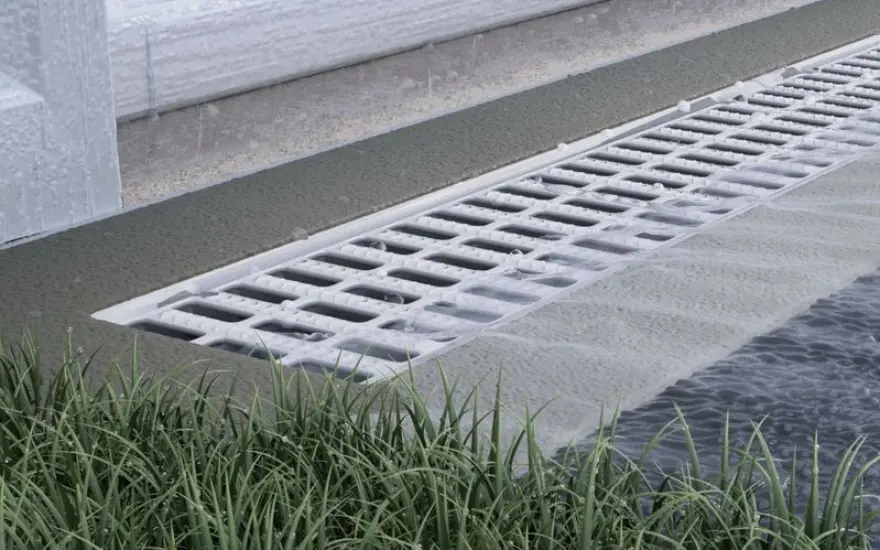 10 Guides
Home & Residential
Trace roof runoff, paving flow, wet ground, and indoor wastewater; compare collection, outlets, and waterproofing.
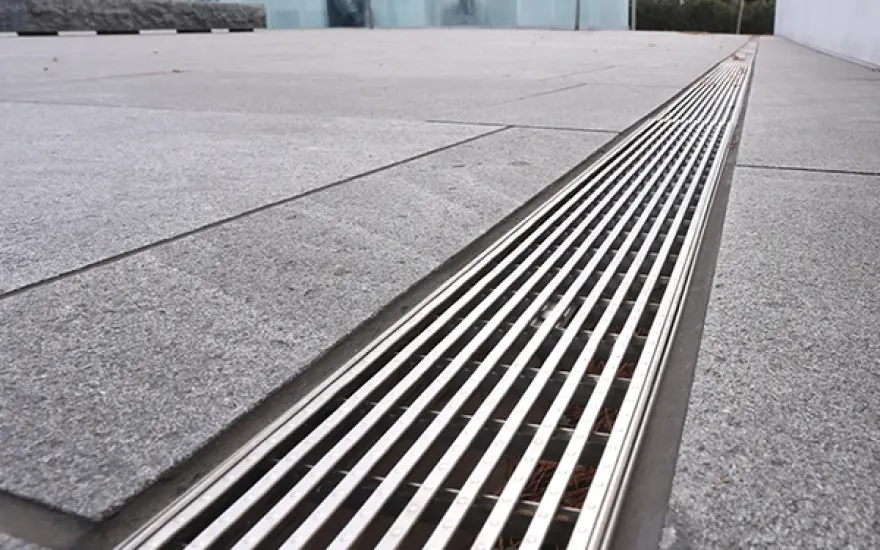 25 Guides
Commercial & Municipal
Plan pedestrian routes, traffic areas, wash zones, public grounds, and replacement castings around their distinct demands.
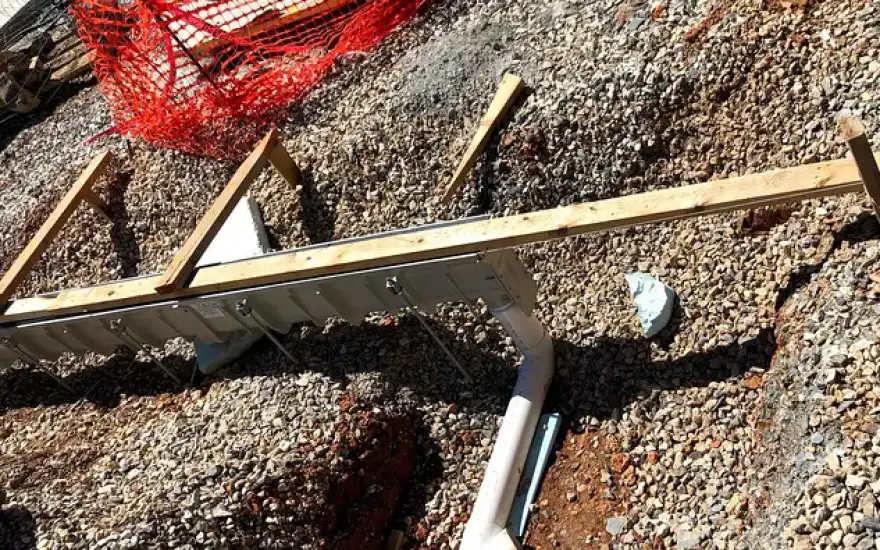 6 Guides
Farm & Animal
Assess animal contact, washwater, solids, growing areas, and turf; separate clean runoff from contaminated water.
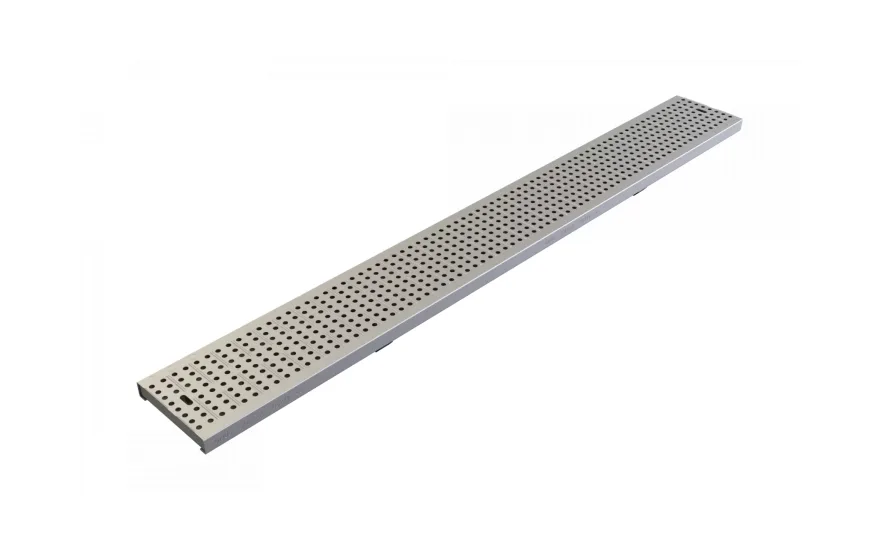 4 Guides
Food & Beverage
Compare sanitary point drains, channels, and equipment receptors for cleaning, production wastewater, and separate exterior runoff.
 8 Guides
Transportation & Logistics
Match aprons, docks, decks, roads, and rail areas to actual loads, receiving-water levels, and agency requirements.
 Check Fit & Duty
Replacement Grates
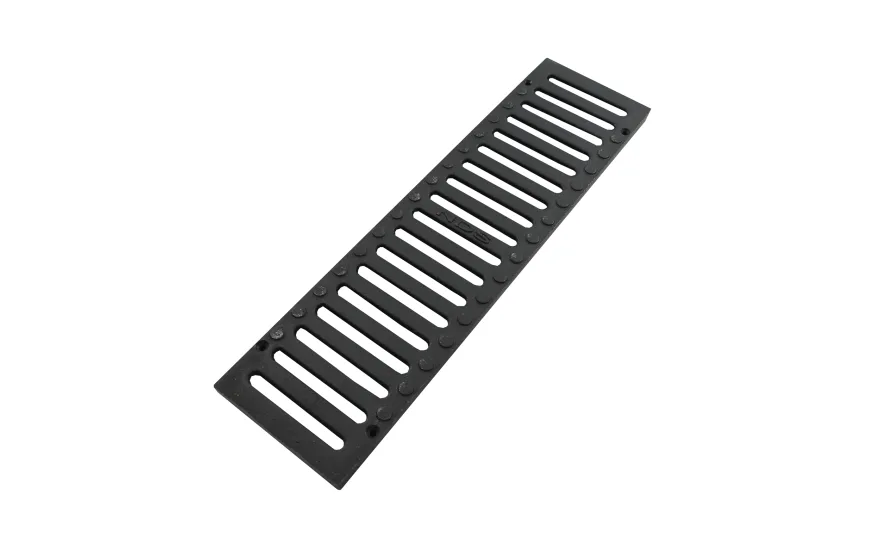
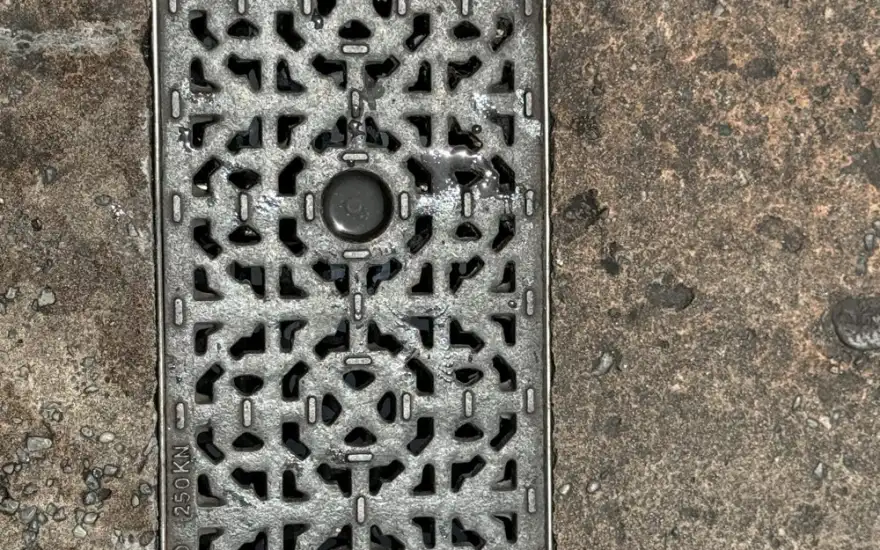
Identify the drain or frame; match length, width, seat depth, fastening, and supported load rating before choosing a replacement.
The restaurant and commercial-kitchen guide appears in both Commercial & Municipal and Food & Beverage; group counts include that shared guide.
Not sure where your project fits?
Bring a site sketch, photos, and these three sets of information. A surface span or grate rating alone cannot select a drainage system.
Layout and outlet — show contributing areas, flow paths, surveyed levels, available installation depth, and the proposed discharge point. A channel intercepts a line of runoff; a point inlet collects a graded low spot. Check grading and blocked outlets before adding hardware.
Users and loads — record loaded wheels, tire type, speed, turning, and other concentrated loads. Verify the complete grate, frame, channel or basin, fasteners, and support. A grate test force is not a vehicle-weight limit. The Load Class Guide explains the different rating systems.
Water and peak flow — identify rainfall, roof runoff, washwater, process liquids, and spills separately. The Runoff Calculator estimates peak storm runoff from contributing areas, surface types, and rainfall for the chosen duration. Measure equipment and hose flows separately; a rainfall estimate does not size wastewater treatment or storage.
Check inlet capture and bypass, channel capacity, outlets, downstream water levels, and a safe overflow route if collection blocks or is exceeded. FHWA HEC-22 covers the stormwater design process. Apply the project’s local codes, permits, and agency criteria.
Plan grate removal and solids cleaning. Check body, grate, seals, and connections against actual chemicals, concentrations, temperatures, and contact times. Wet rooms also need a matched floor or waterproofing connection. On accessible routes, check installed openings, orientation, transitions, and slip resistance against the applicable surface requirements; human access labels do not establish hoof or paw safety.
Establish approved reuse, treatment, containment, or disposal before connecting washwater, process waste, or spill collection. A drain, basket, or oil-water separator does not authorize discharge or remove every pollutant. EPA pretreatment prohibitions apply to nondomestic wastewater entering public treatment works. Some areas are better served by covered containment and controlled recovery than an open drain.
Compare the collection method, then the product
For surface runoff, compare NDS catch basins at low points with NDS, BG Filcoten, Josam, and ACO channels along interception lines. Roof drainage, saturated soil, and suspended decks need their own collection details. Dry wells or infiltration landscapes need suitable soils, groundwater clearance, and water quality, plus storage and overflow planning.
For washable interiors, compare the catalog’s ACO sanitary point drains, floor sinks, and linear drains. Stainless rails or grates on a general-purpose channel do not provide the same construction. Openable channels and slots need different inspection and cleaning arrangements. Where dedicated cleaning equipment is useful, Slot Drain Systems 10,000 Series is an option beyond our catalog with an optional clean-in-place system to compare with ACO’s options; verify the sanitation workflow and cleaning access for either design.
Collection, treatment, and spill protection serve different duties. Compare ACO oil-water separation and spill-control products and Aquaduct Double Containment against the actual liquid and failure scenario. Pumping, washwater reclaim, or other treatment may need additional equipment. The application guides develop these choices for each setting.
Call 803-324-3225 or email [email protected] with your site information and project specification for a product and availability review.