


Food & Beverage
Applications · 4 Guides in This Group
Production floors, kitchens, customer areas, and delivery yards need different drainage systems. Map process wastewater, floor washwater, clean stormwater and contained spills separately, then match collection, cleaning and discharge to each zone.
Define the hygiene and washdown requirements
- Production and kitchen interiors
- Compare sanitary point drains at local low points, floor sinks for equipment waste, and linear drains for sheet-flow interception. Coordinate floor falls, sealed floor connections, traps and cleaning access. Confirm required indirect equipment connections under the adopted plumbing and food code. A stainless grate on a general-purpose channel does not establish sanitary suitability.
- Cleaning and handling
- Provide chemical names, concentrations, peak temperatures at the drain, contact time and rinse cycles. Check the body, grate, seals and connections together; neither 304 nor 316L is universally resistant. Remove bulk solids before rinsing, keep baskets and covers accessible, and plan cleaning to prevent splash toward exposed food and equipment.
- Exterior, wastewater and spills
- Keep clean roof and yard runoff separate from process waste and outdoor washing. Identify an accepted sewer or other permitted disposal route, including pretreatment where needed. Screening and grease interception do not by themselves treat dissolved sugars, alcohol, heat or cleaning chemicals. Concentrated chemical and spirit spills need a containment and safe-removal design; an open floor drain may be inappropriate.
The FDA Food Code is a model for local adoption in retail and food service, not a universal stainless-steel requirement. EPA food-sector stormwater guidance and sewer pretreatment requirements address separate discharge decisions.
Explore by application
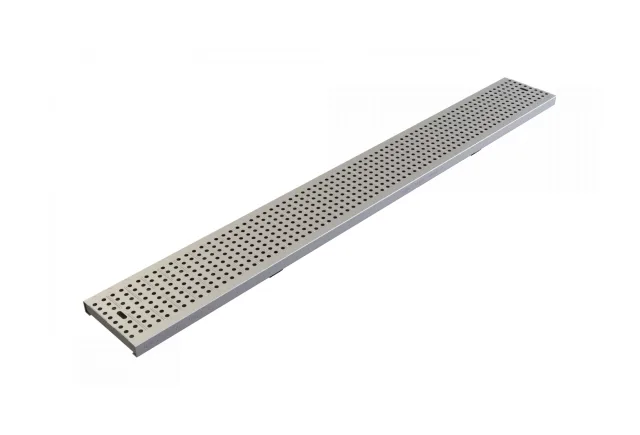
Breweries & Taprooms
Compare sanitary collection for hot-side and cellar cleaning, solids capture, packaging wheel loads, and accessible taproom drainage.
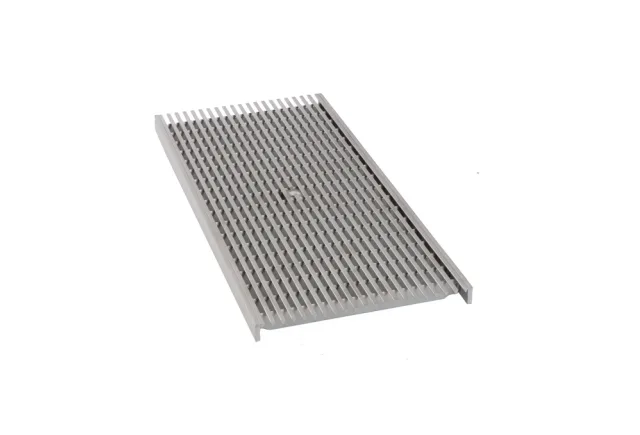
Wineries & Distilleries
Plan harvest solids and washwater collection, cellar sanitation, forklift and tanker crossings, and separate spirit-spill containment.
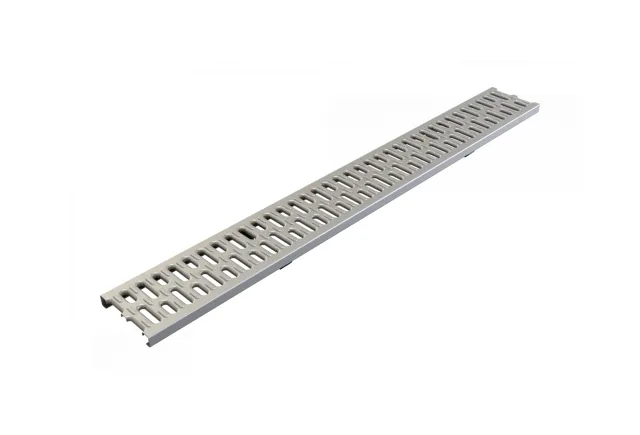
Food & Beverage Processing
Match point, linear and equipment receptors to hygiene zones, cleaning chemistry and peak discharges; separate process waste from yard runoff.
More applications in this group
- Restaurants & Commercial Kitchens
Compare kitchen floor drains and equipment receptors, indirect waste connections and grease interception, with separate exterior washwater and stormwater routes.
Compare systems by collection duty
Drainage Connect offers ACO sanitary stainless drainage, including Modular grated channels, SlotDrain, FloorDrain point drains and BoxDrain floor sinks. Grated channels provide direct inspection and solids-removal access; slots need effective access points and cleaning tools. Choose the required model, floor interface and hygiene documentation, then check its chemical-resistance data against actual exposure.
For compatible general-purpose and exterior duties, compare ACO KlassikDrain polymer concrete and NDS Dura Slope HDPE; ACO PowerDrain adds heavy-duty rail and locking arrangements for traffic review. Listed Josam Pro-Plus has an SMC/GRP composite body. Its stainless options do not turn it into a stainless sanitary drain; check Josam's chemical chart, particularly for alcohol and concentrated cleaners.
Where an existing slab calls for a retrofit liner or custom geometry, compare Josam's separate stainless range and confirm model supply. If dedicated flushing or clean-in-place equipment fits the sanitation workflow, the outside-catalog Slot Drain Systems 10,000 Series offers a documented optional cleaning system worth comparing with ACO's slot and openable channels. Cleaning equipment still needs inspection and sanitation verification.
Size from measured simultaneous hoses, equipment discharge peaks and relevant rainfall, checking inlet capture, outlets, baskets, downstream capacity and overflow. For carts, pallet jacks, forklifts and trucks, provide loaded wheel reactions, tire type, crossing speed and turning conditions. Verify the complete drain, grate, frame, locks and slab support; a grate test force is not a vehicle-weight allowance. Guest routes also need suitable finished openings and walking surfaces.
Ready to discuss a product match?
Send a zoned plan, floor and outlet elevations, peak flows, wheel loads, cleaning schedule, discharge destination and any spill-containment requirements for a configured product review. The Load Recommendation Guide explains how manufacturer recommendations and test standards differ.