


Transportation & Logistics
Applications · 8 Guides in This Group
Aprons, docks, platforms, ramps, and yards place different demands on drainage. Use these eight U.S. application guides to map water sources and discharge routes, compare collection methods, and identify the traffic, installation, and agency requirements for each location.
Build the specification from site conditions
Use grading to divert clean run-on, point inlets at low spots, and linear drains where flow crosses a line. Coordinate roof, deck-membrane, groundwater, and track drainage separately. A dry warehouse floor may need no routine floor drain.
- Traffic and installation
- Supply wheel loads, tire contact details, speed, turning, and crossing direction; identify trailer supports and other concentrated loads separately. Verify the complete grate, frame, channel, retention, and support detail. A grate test class is not a vehicle-weight limit or airport, highway, or rail approval. At pedestrian crossings, check accessible opening geometry and orientation, plus small-wheel travel and slip resistance.
- Water and contamination
- Check design rainfall or process flow, inlet capture and bypass, channel and pipe capacity, outlet losses, and receiving-water levels. Plan for blockage, overflow, and pump failure where applicable; TxDOT inlet guidance illustrates why road sags need special attention. Separate clean runoff from washwater, deicing liquids, and spills. Specify approved treatment, reuse, or disposal; a trench or oil-water separator alone does not authorize discharge. See EPA washwater guidance.
- Operations and approvals
- Record agency specifications, available installation depth, waterproofing, and access restrictions. Check all wetted materials and seals against the actual chemicals, chlorides, and temperatures. Provide safe cleaning access, solids-removal space, and inspection of grates and fasteners. Coordinate airside retention and maintenance with the airport's foreign object debris program.
Explore by application
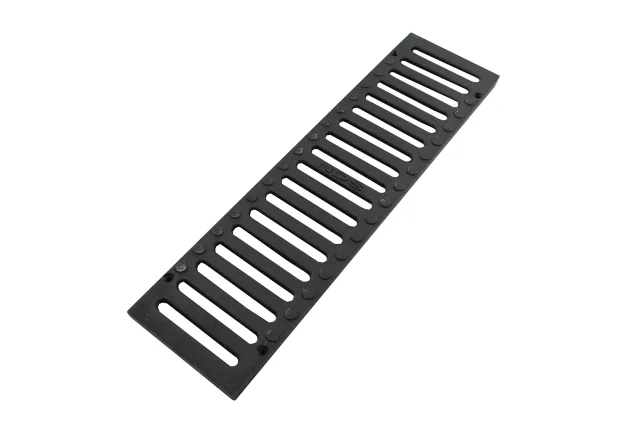
Airports
Separate airside and terminal needs: aircraft loads, grate retention, runoff, and controlled deicing collection.
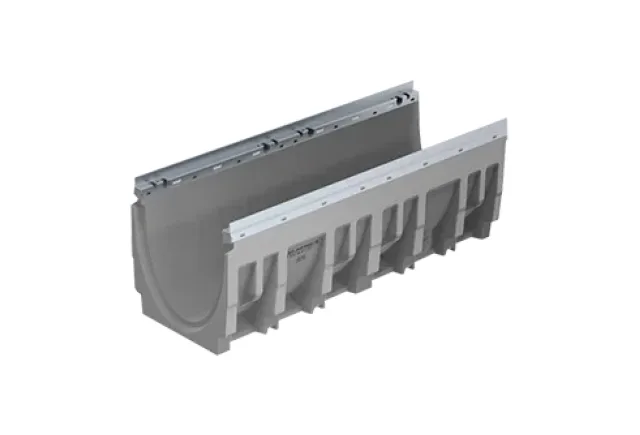
Cargo Ports & Marine
Review heavy wheel and support loads, chloride exposure, tidal backwater, and contaminated-water handling.
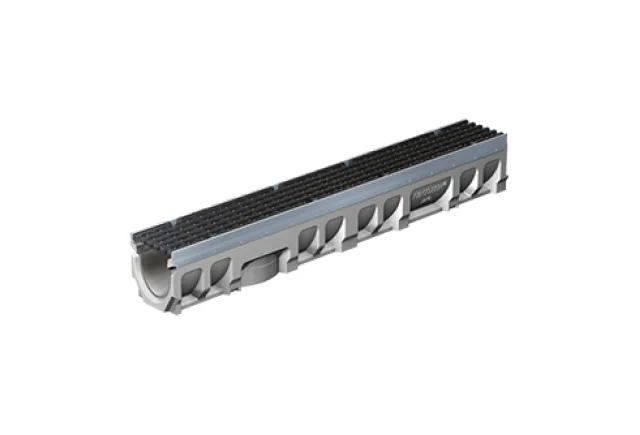
Highways & DOT
Check agency acceptance, traffic speed, inlet capture at sags, maintenance access, and replacement fit.
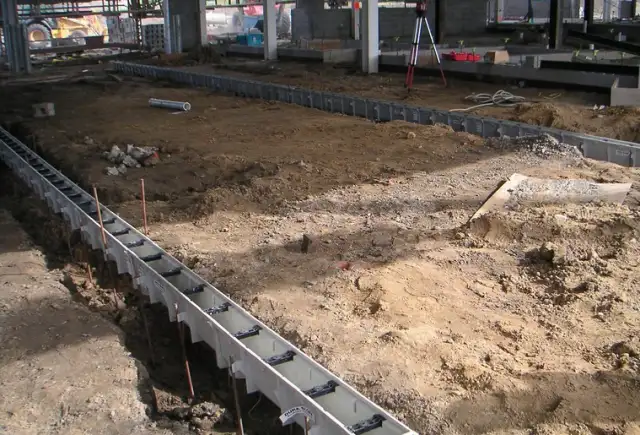
Loading Docks
Compare run-on diversion and point or linear collection; protect leveler pits and plan for outlet blockage or pump failure.
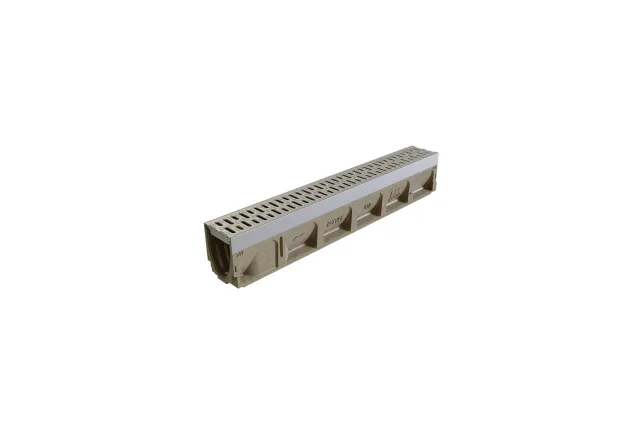
Parking Structures
Compare point drains and shallow channels with slab support, outlet space, waterproofing, and ramp capture.
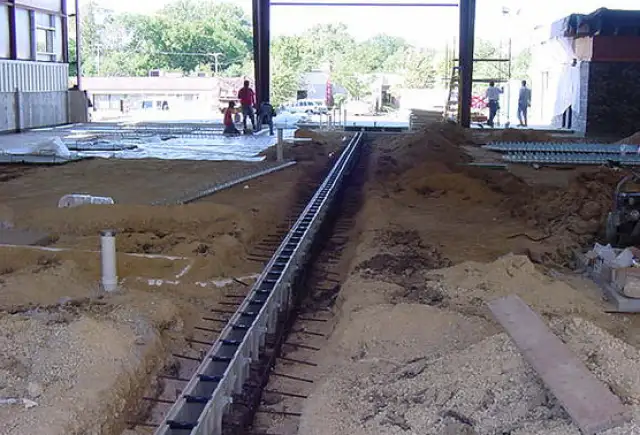
Warehouses & Distribution
Separate roof, court, wet-service, and dry-storage needs; check forklift tires, trailer supports, and spill control.
More applications in this group
- Fleet & Truck Washes
Wheel loading, peak wash and reclaim flows, chemical compatibility, solids removal, and approved reuse or discharge.
- Rail & Transit
Accessible station surfaces, dedicated track drainage, maintenance wastewater, and agency requirements for loads and electrification.
Ready to discuss a product match?
Send site photos, grades and outlet elevations, dimensions, traffic details, water sources, and the project specification. Request a product and availability review against the required assembly and installation. The Load Recommendation Guide explains how manufacturer recommendations and test standards differ.