


Home & Residential
Applications · 10 Guides in This Group
Find the source of the water first: roof runoff, water crossing paving, a low spot in the lawn, or water below ground. These guides explain collection options, outlet planning, and the details to check before buying.
Before choosing a residential drain
- Trace the water
- Check grading, blocked drains and irrigation leaks before adding hardware. A channel intercepts surface flow; a basin collects a low point. Saturated soil may need a subsurface collector or landscape changes. Keep roof runoff separate from foundation dewatering, and distinguish stormwater from shower, shop and RV wastewater.
- Find the outlet
- Record contributing roof and ground areas, inlet and outlet elevations, and where discharge is allowed. Check the whole flow path and where overflow goes during blockage. A larger inlet cannot create a gravity outlet. Dry wells and rain gardens need soil, groundwater and water-quality checks, adequate storage and a plan for overflow.
- Record the site
- Measure available depth for the drain, support and connections. Identify vehicle crossings, pedestrian use and cleaning access. Select the complete installed assembly for the loads; check openings, traction and applicable accessible-surface requirements separately. Wet rooms also need a matched waterproofing connection, plumbing design and compatible cleaning products.
Choose the discharge route for the actual water collected. Vehicle-service wastewater needs separate disposal planning; putting its drain outdoors does not make it stormwater. Pool deck collection, pool circulation and backwash also serve different functions. Confirm local discharge conditions before connecting any of these systems.
Explore by application
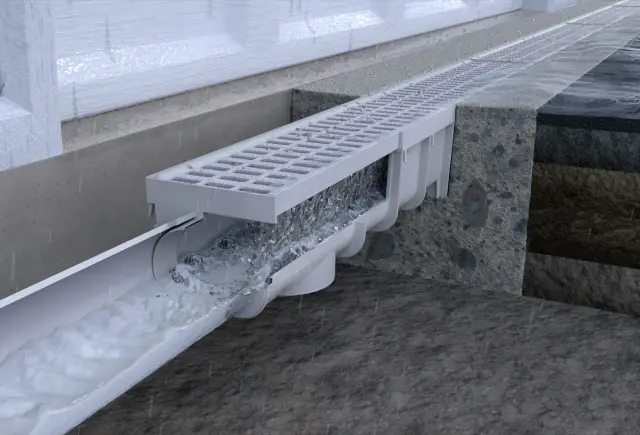
Driveway Drainage
Compare grading, threshold channels, low-point basins and outlets against driveway flow paths and vehicle traffic.
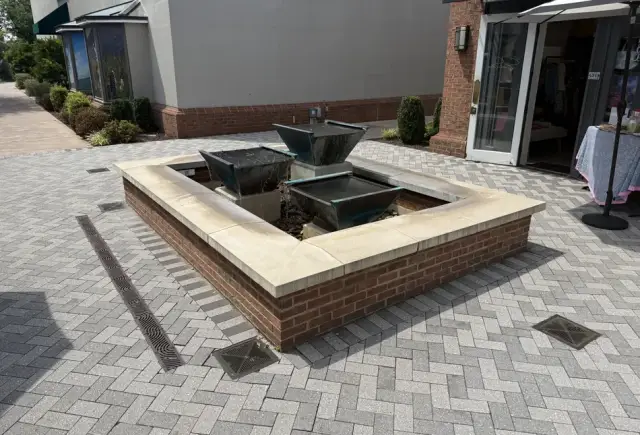
Patio & Sidewalk Drainage
Compare channels and point collection for paving slopes, installed depth, walking surfaces and cleaning access.

Pool Deck Drainage
Plan deck-water collection, barefoot surfaces and cleaning access separately from pool circulation and backwash.

Yard & Lawn Drainage
Distinguish surface ponding from saturated soil, then compare grading, basins, subsurface drainage and suitable infiltration.
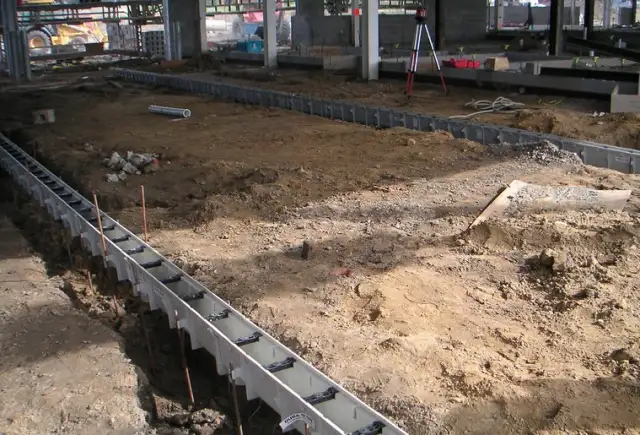
Garage & Shop Floor Drainage
Separate exterior runoff from indoor washwater before comparing threshold channels, floor drains and approved disposal.
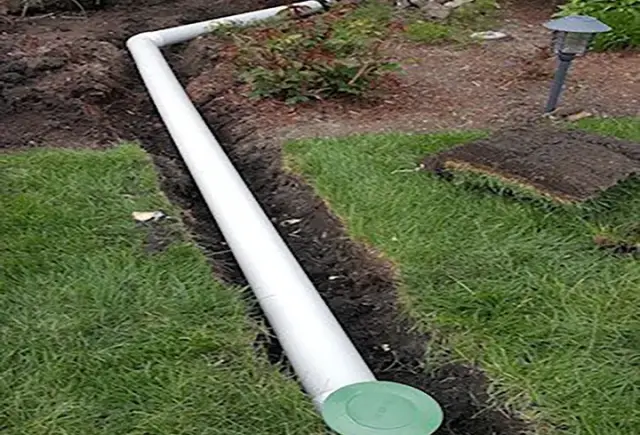
Downspout Drainage
Compare surface extensions, buried collection and outlets sized for the roof areas feeding each run.
Shower & Wet Area Drainage
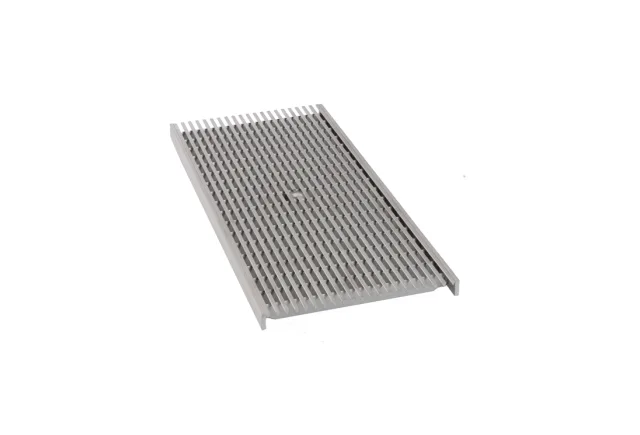
Compare point and linear drains with the floor slope, waterproofing connection, cleaning needs and plumbing plan.
More applications in this group
- Courtyards
Thresholds, ground-level or suspended paving, waterproofing and overflow where exits are limited.
- HOAs & Property Management
Prioritize flooding and maintenance, identify existing hardware, and coordinate repairs across shared areas.
- RV Parks & Campgrounds
Separate campsite runoff, road traffic and sanitary services; distinguish local drainage from flood exposure.
Ready to discuss a product match?
Send the project location, site photos, contributing areas, dimensions, outlet levels, traffic details and project specification. We can review product fit and check current availability. The Load Recommendation Guide explains how manufacturer recommendations and test standards differ.