


Farm & Animal
Applications · 6 Guides in This Group
Choose drainage around the animals, equipment, and cleaning routine that use each area. These guides cover barn aisles, wash stalls, kennels, growing areas, and outdoor grounds, with separate consideration for clean runoff and wash water.
Match the drain to daily use
- Animals, people, and equipment
- Keep collection away from animals' standing and travel areas where practical. Assess openings, edge gaps, traction, and fastening for the actual animals, including juveniles. Human accessibility requirements do not establish hoof or paw suitability. Check loaded wheels, tires, turning, and the complete supported drain assembly separately.
- Solids and cleaning
- Pick up manure, bedding, hair, and growing media before washing; provide accessible solids capture and cleanouts. Match every wetted component to the cleaner or fertilizer, concentration, temperature, and contact time. Prevent contaminated surface flow between animal enclosures, as emphasized in ASV shelter guidance.
- Ground and discharge
- Separate clean roof/run-on water from animal-contact runoff, irrigation return, and chemical waste. Establish approved reuse, treatment, storage, or disposal before connecting drains. A basket does not remove dissolved nutrients or disinfect water. For wet ground, investigate compaction, soil layers, groundwater, and outlet levels before choosing surface or subsurface drainage.
Explore by application
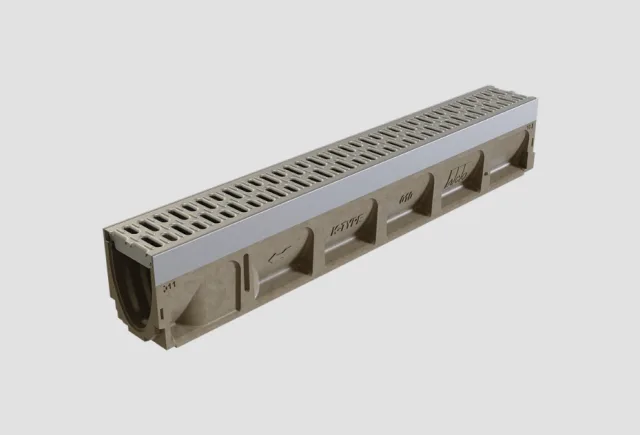
Farm & Barn Drainage
Separate barn washwater, manure runoff, and clean rainwater; assess animal contact and equipment crossings.
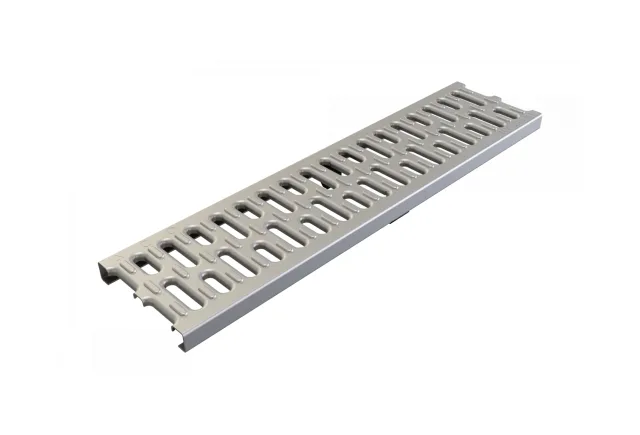
Kennels & Veterinary
Plan washdown collection, opening geometry, and cleaning access while preventing waste flow between enclosures.
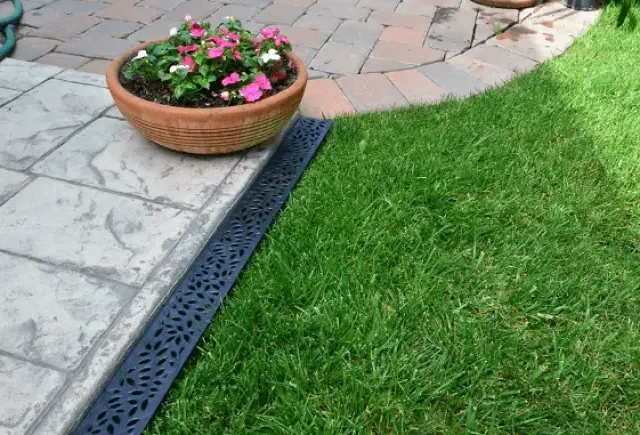
Greenhouses & Nurseries
Compare aisle collection, irrigation recovery, chemical containment, and container-yard runoff under actual traffic.
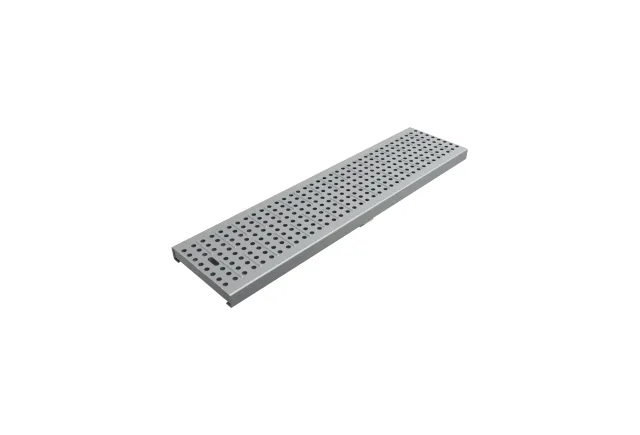
Zoos & Animal Facilities
Coordinate exhibit washdown, species-specific cover retention, habitat containment, and service-road loads.
More applications in this group
- Equestrian Facilities
Protected wash-stall collection, hoof contact, bedding management, arena bases, and equipment routes.
- Golf Courses
Distinct drainage for greens, fairways, bunkers, cart paths, and equipment wash pads.
Choose the collection method before the product
- Surface runoff and crossings
- NDS catch basins collect at graded low points; Pro Series and Dura Slope channels intercept a line of runoff. Select inlet capture, channel, outlet, and downstream capacity together, allowing for blockage. Vehicle crossings need the exact grate, frame, fasteners, and installation approved for the loads.
- Frequently washed rooms
- Compare ACO sanitary point and linear drains for internal cleaning access, floor seals, and trap arrangements. Stainless rails or grates on a general-purpose channel do not provide the same body design. A routinely bedded stall may need careful bedding management rather than a floor drain; see Penn State's stable guidance.
- Soil drainage and water recovery
- Underdrains need a soil/filter design and a suitable outlet; surface channels alone do not drain a saturated soil profile. Growing floors may need coordinated irrigation return and reuse: ErfGoed WaterSystem is an outside option integrating cultivation floors with pumps, filters, and controls. Compare that system scope with individual collection components, using the site's flow and crop requirements.
Ready to discuss a product match?
Send photos, dimensions, animal sizes, loaded-wheel details, peak flows, cleaning chemicals, and the proposed discharge route with your specification. Include available outlet levels and cleaning access. The Load Recommendation Guide explains how manufacturer recommendations and test standards differ.